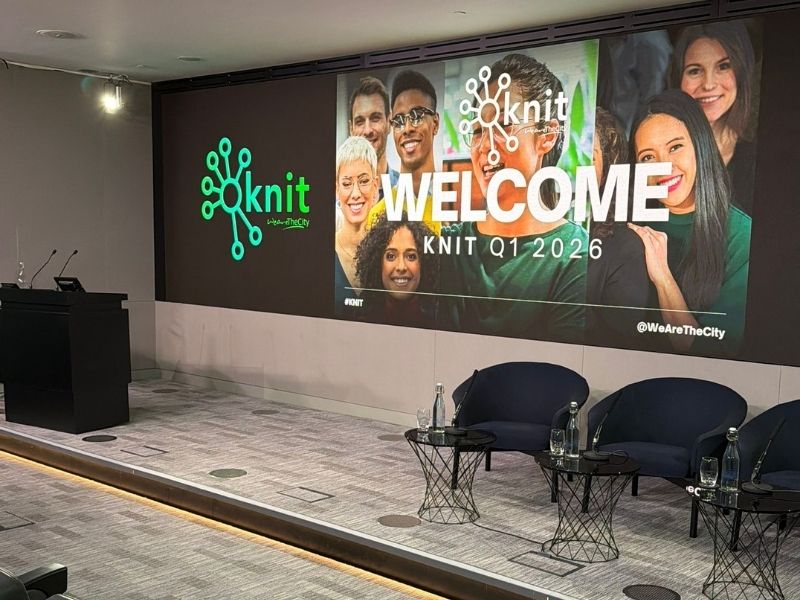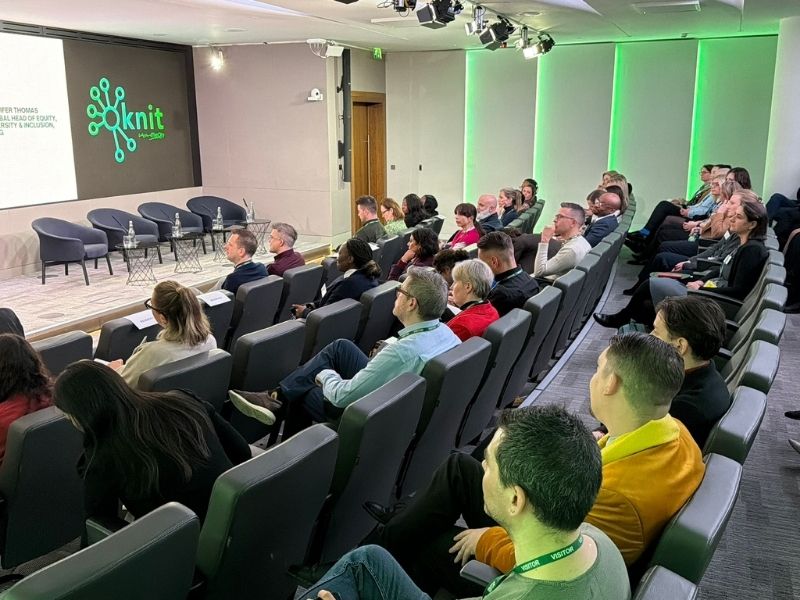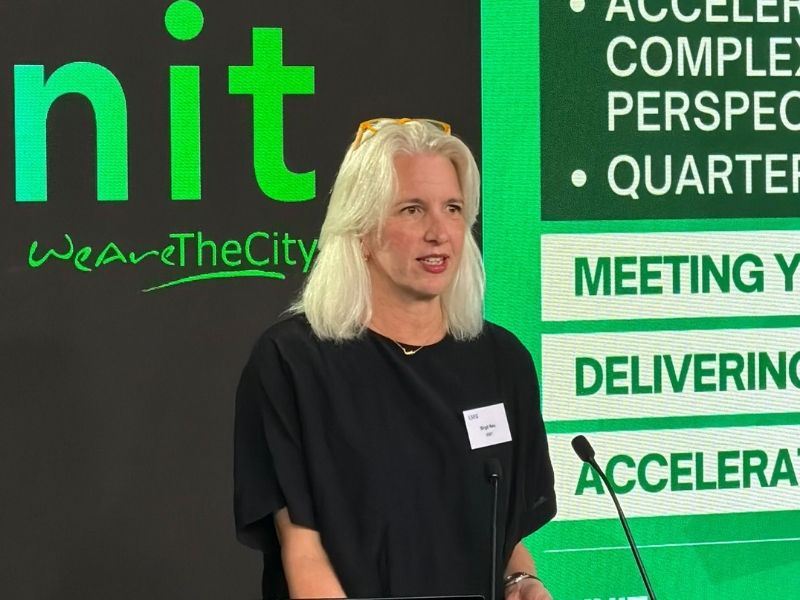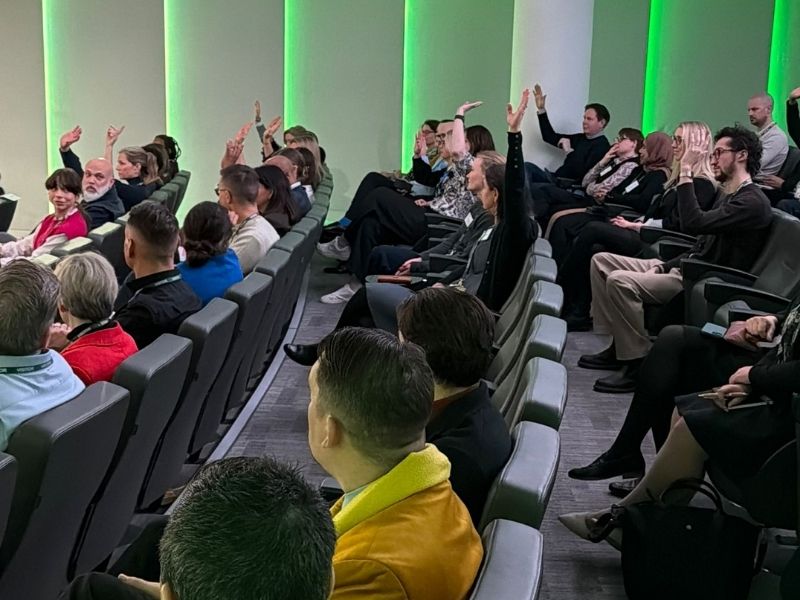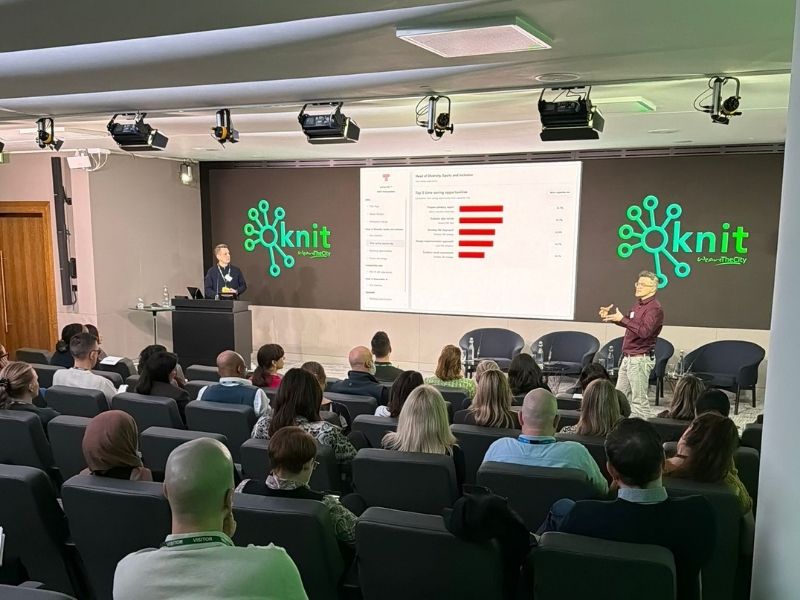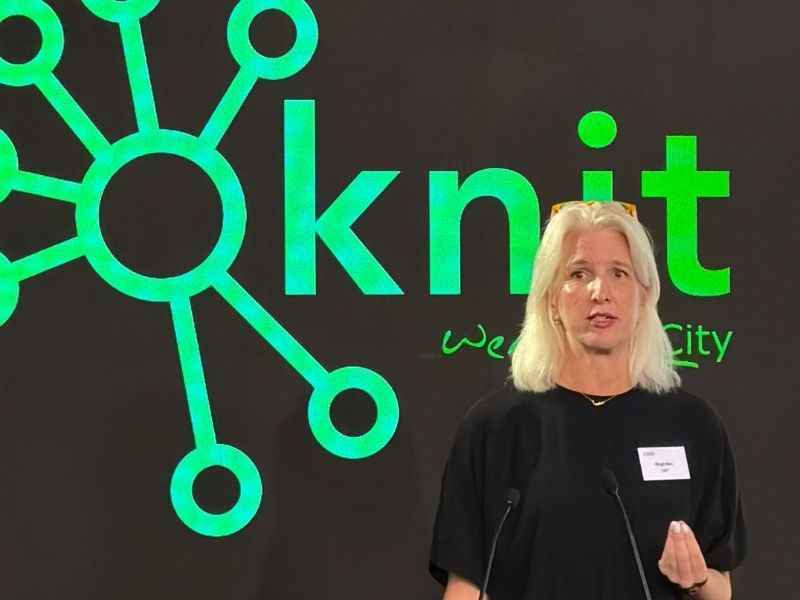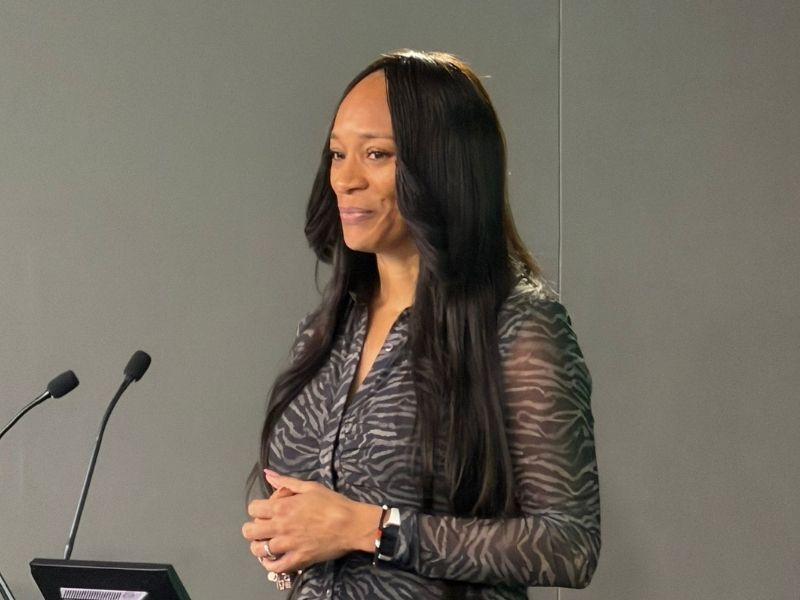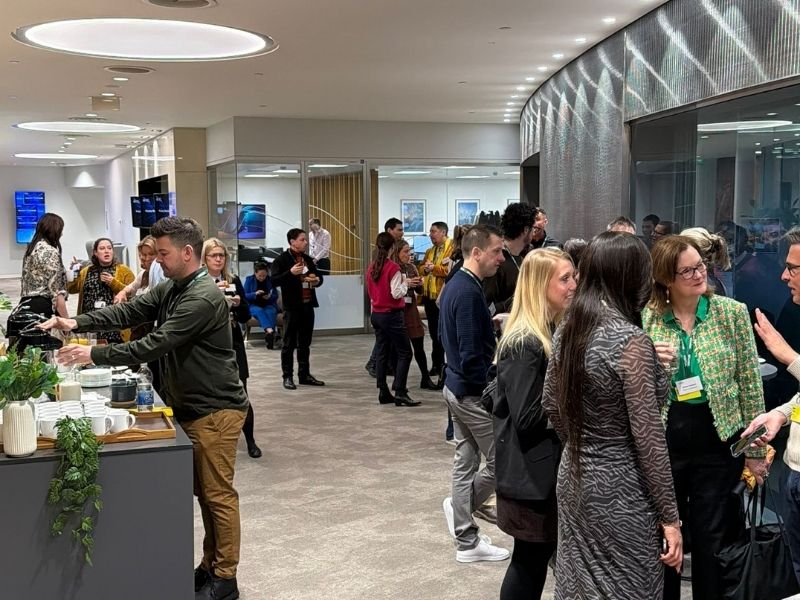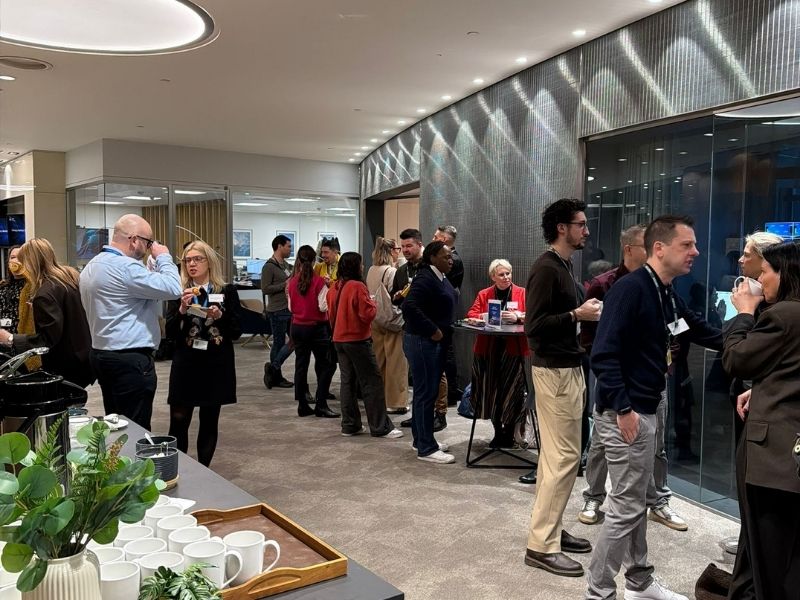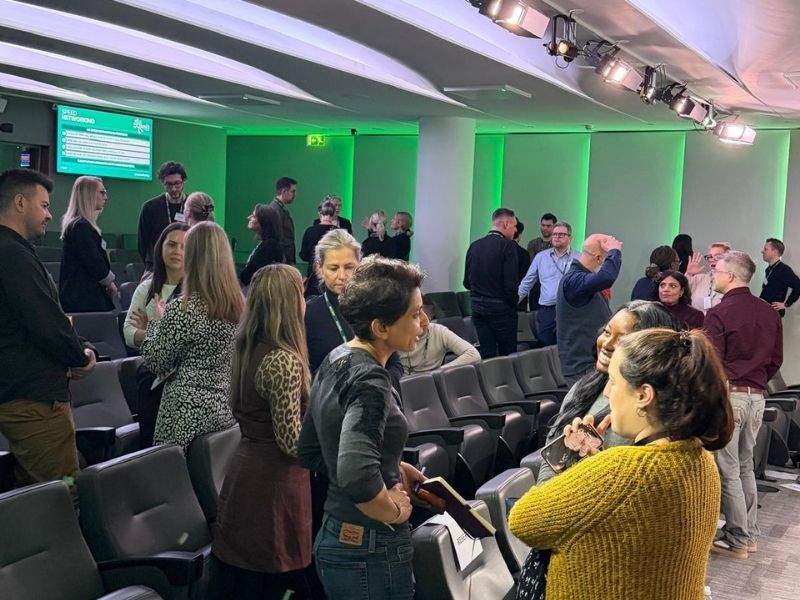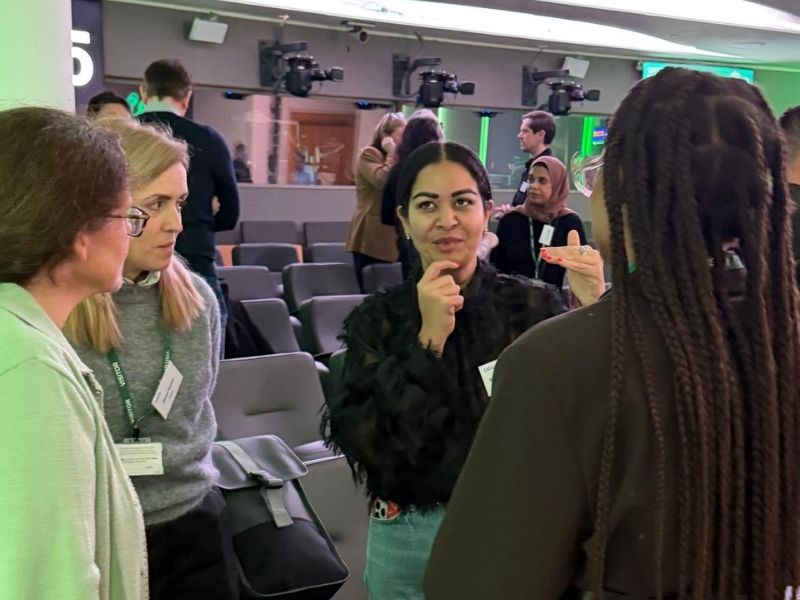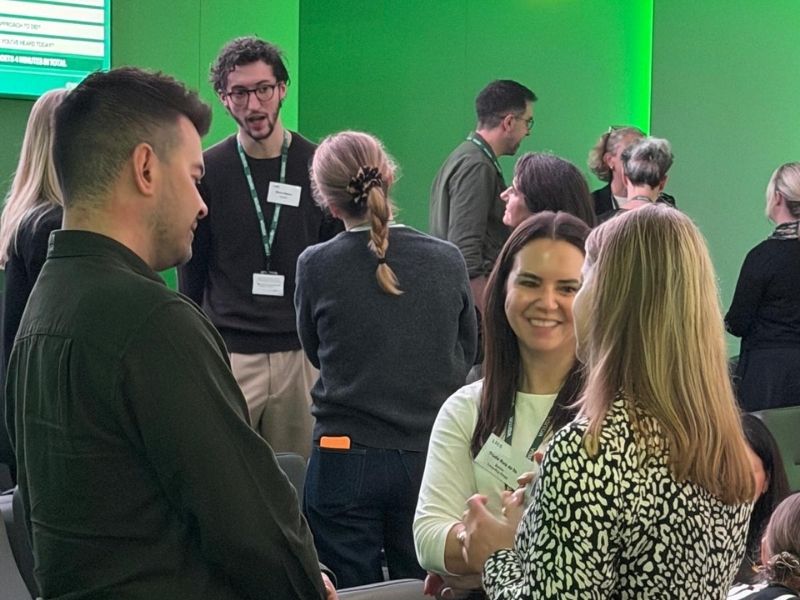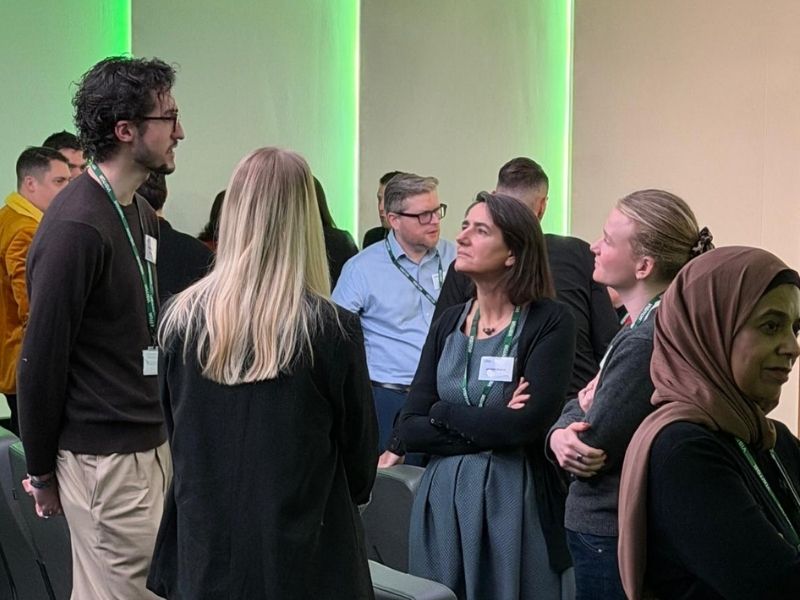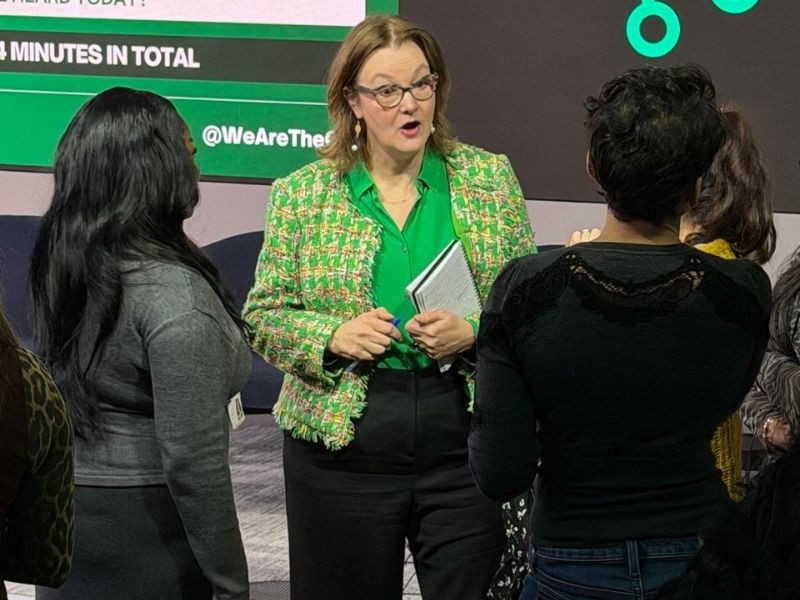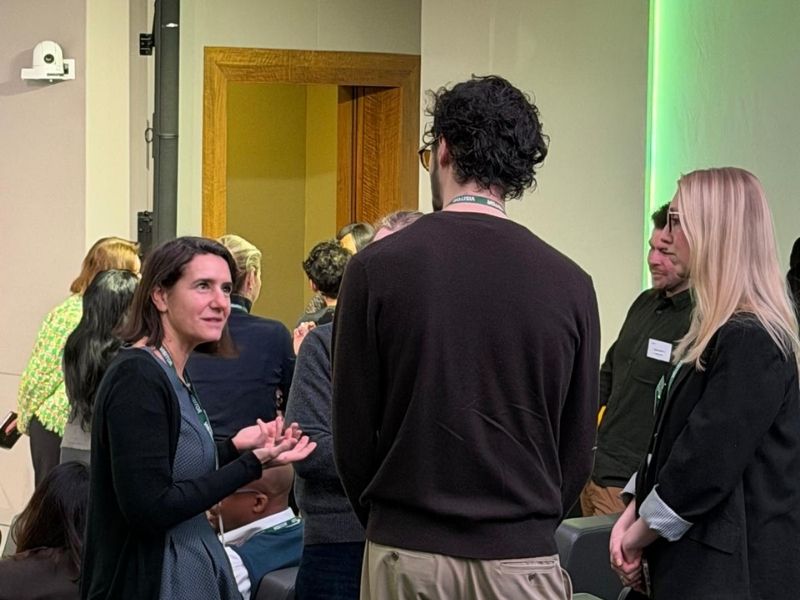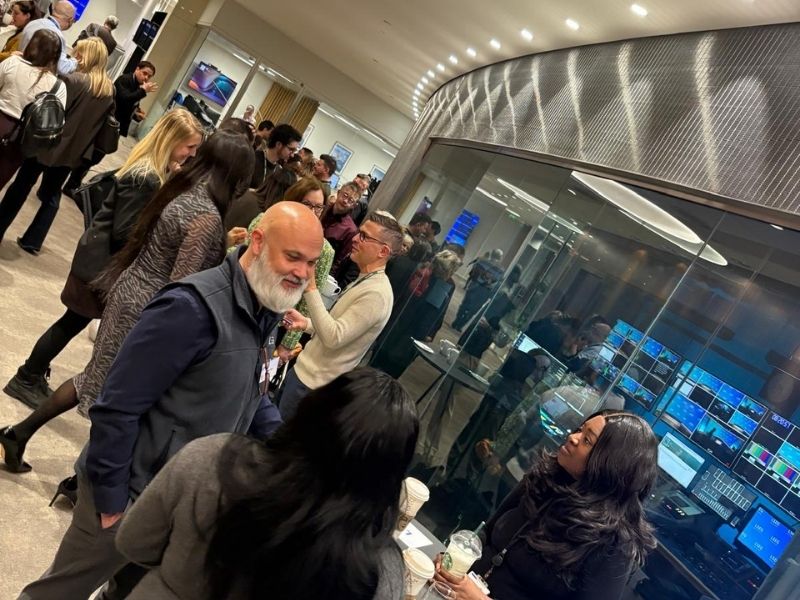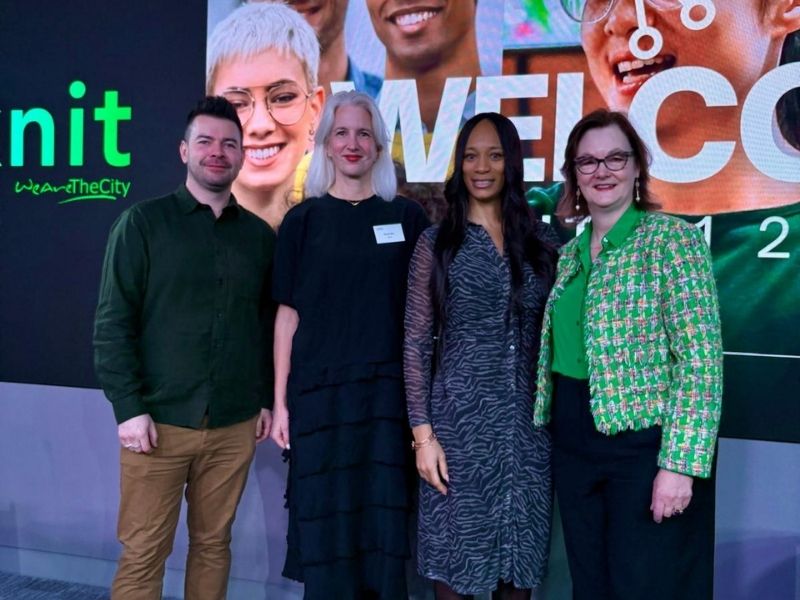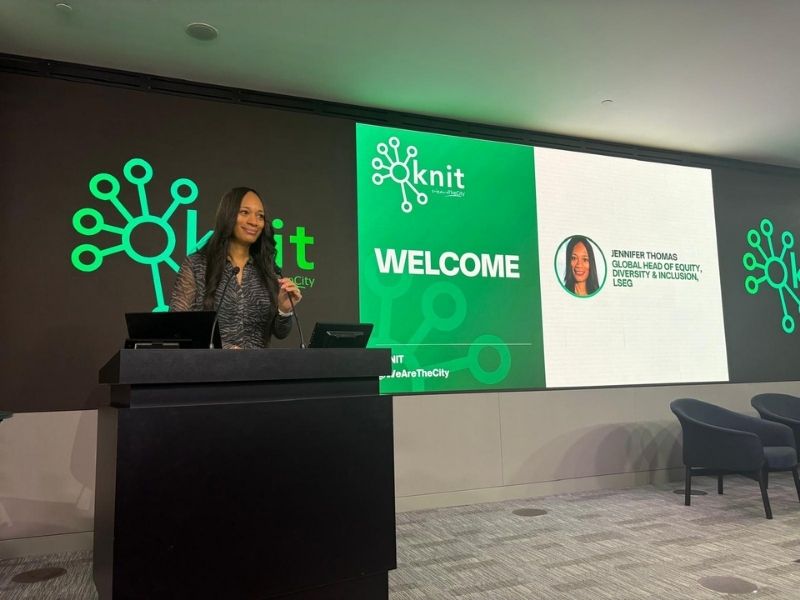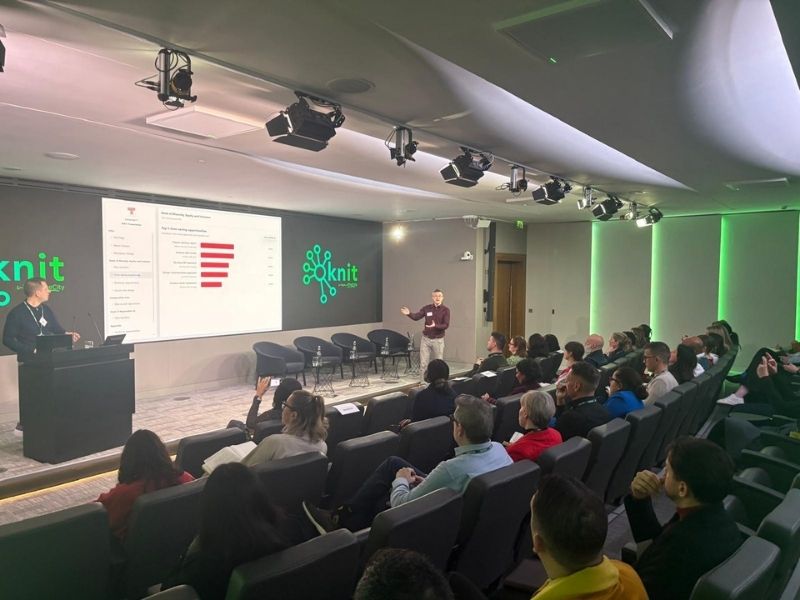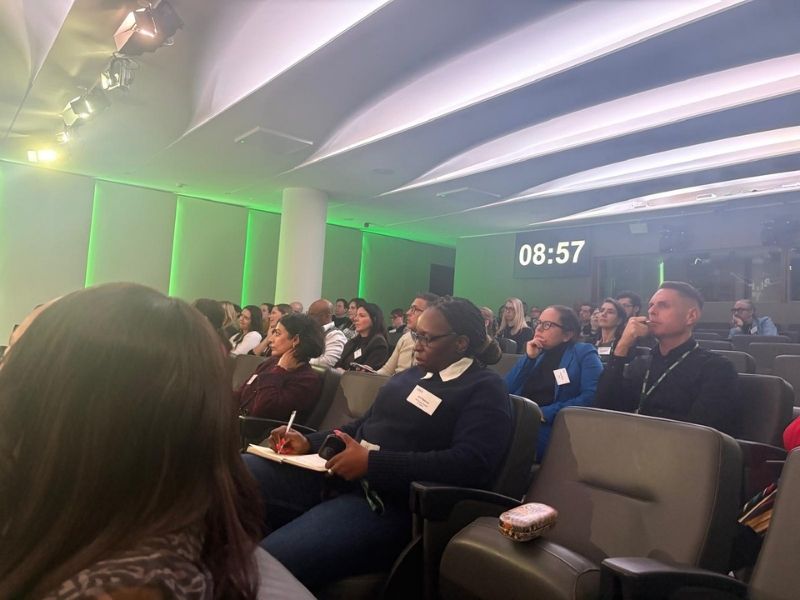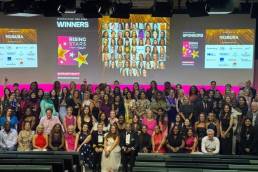

 On 21 January 2026, WeAreTheCity hosted the KNIT Q1 meet-up at LSEG, bringing together senior DEI and HR leaders to explore the trends shaping 2026 and beyond.
The discussion focused on the themes emerging across DEI, HR and broader business strategy, and the opportunity for organisations to get clear on what matters most in the year ahead. A key takeaway was the importance of ensuring DEI activity connects with core business and people priorities, enabling teams to demonstrate continued relevance in an increasingly dynamic operating environment. By collaborating closely with leaders and colleagues, and focusing on delivery that supports both people and performance, DEI teams can keep driving meaningful impact.
AI, DEI and the evolution of roles
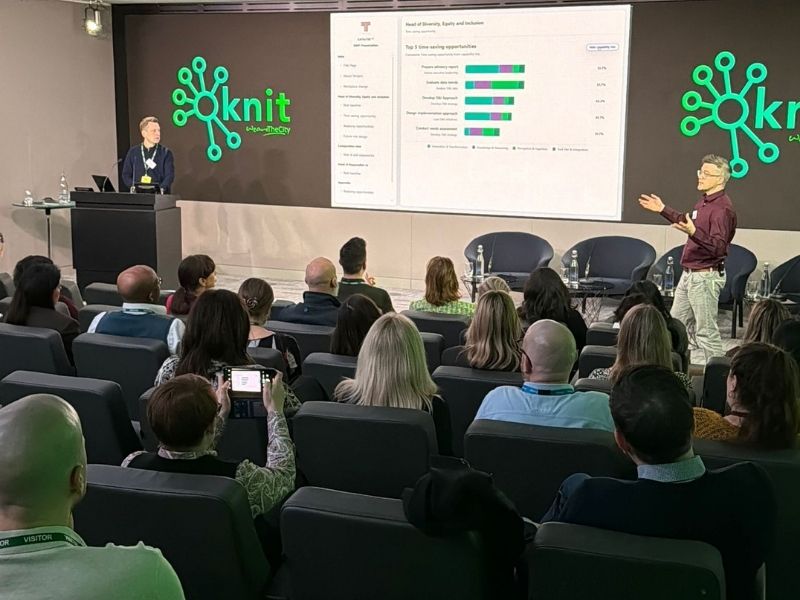
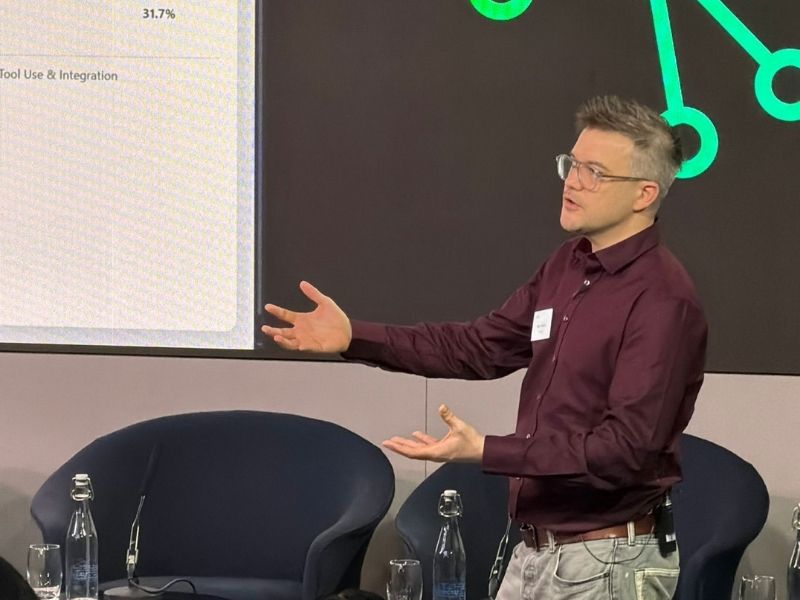
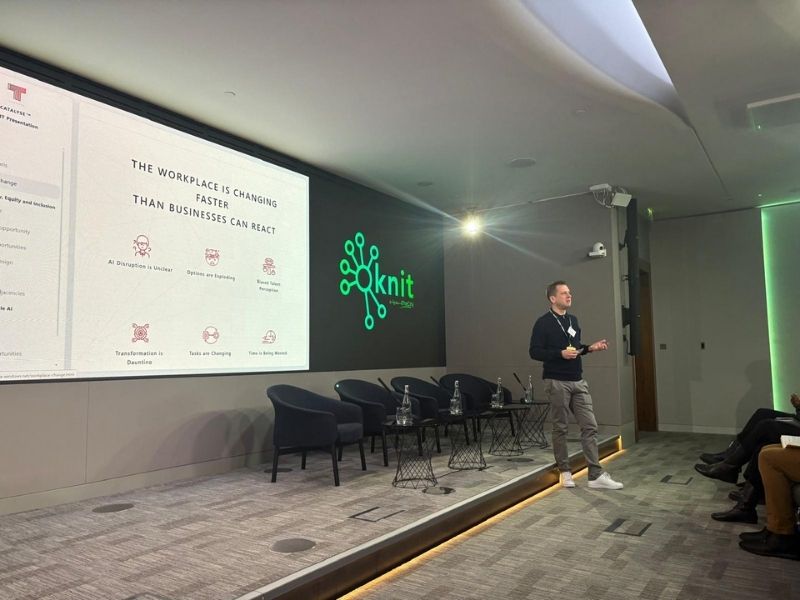
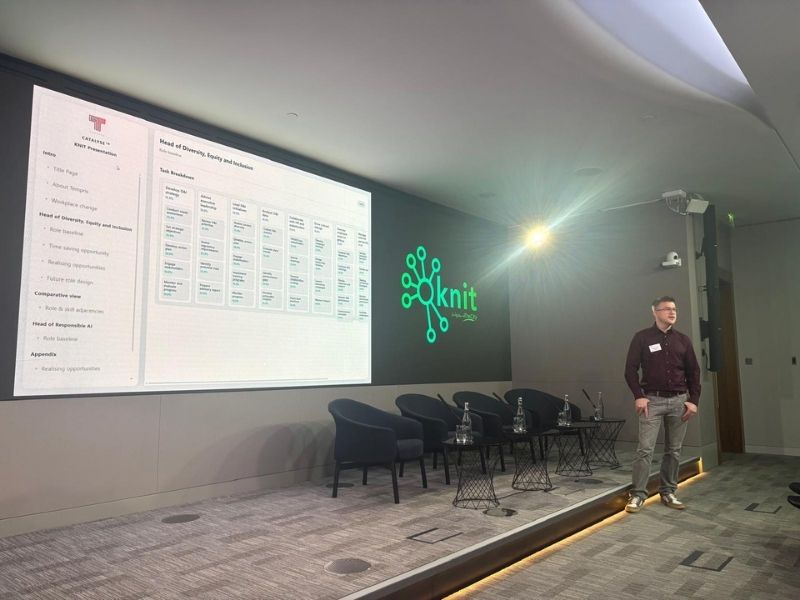
Sean Carney and Matthew Yerbury, co-founders of Tempris, shared insights into AI adoption in workplace workflows, with a particular focus on what this means for DEI roles. They explored how the responsibilities of a Head of DEI role can be broken down at task level, where AI tools could be integrated to improve efficiency, and how time saved could be redirected towards higher-value work.
They also highlighted adjacent roles that DEI professionals may be well positioned to move into as organisations adapt, and as DEI careers evolve. The session raised important questions for both individuals and employers, particularly around how workforce planning and role design can be strengthened through a DEI lens as AI becomes more embedded across teams.
Moving towards a systemic approach to DEI
The panel discussion, “Moving to a More Systemic Approach to DEI,” featured perspectives from DEI experts Jake Hobson, Ashley Dartnell and Jennifer Thomas. They explored what systemic DEI looks like in practice, what to focus on during that shift, what challenges can emerge, and how ERGs and under-represented groups fit within a more systemic approach.
The conversation also considered how the work of DEI practitioners changes when organisations genuinely embed inclusion into systems, processes and decision-making. With AI-driven workplace change accelerating, the panel highlighted the value of stepping back and reassessing what outcomes DEI leaders should now be aiming for, and what activities may no longer be serving the long-term goals, including “random acts of diversity” that don’t meaningfully shift the systems organisations are working to improve.
Thank you to everyone who joined us for such a thoughtful and engaging discussion, and to our speakers and hosts at LSEG.
Birgit Neu and Dr Vanessa Vallely OBE launched KNIT a year ago, the future-focused UK network for diversity, equity and inclusion professionals, centred on Knowledge, Networking, Innovation and Transformation.