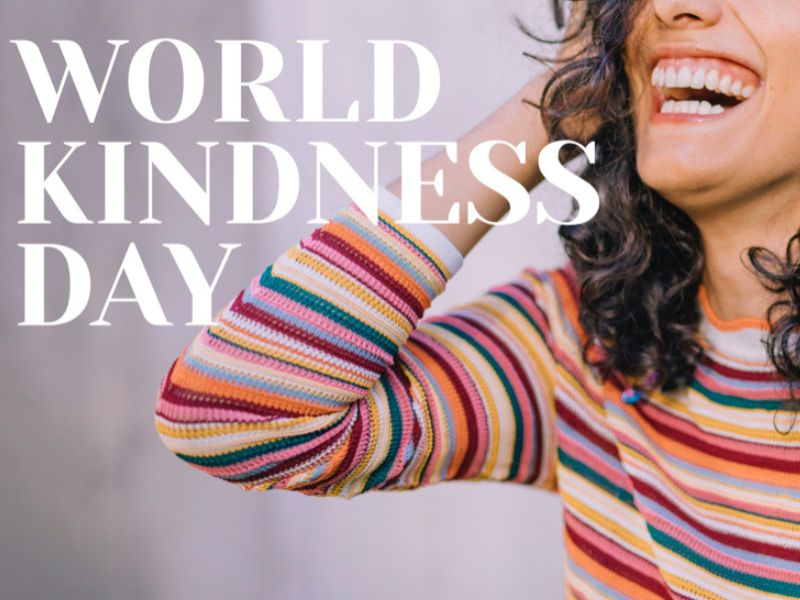
Every year on 13 November, people across the world are reminded of something simple but powerful, kindness. It is a quality that never goes out of style yet is often overlooked when life gets busy. World Kindness Day was created to encourage acts of kindness across communities, workplaces and schools, but at its heart, it is about connection.
It reminds us that kindness is not a grand gesture but a quiet choice made every day.
Kindness has no cost yet carries real value. A kind word can change how someone feels about their day. A small gesture, like holding a door or sending a message to check in, can make a bigger impact than we think. These moments can shift how we see each other and how we respond to the world around us. When people feel seen, supported and valued, they are more likely to pass that feeling on.
In many ways, kindness is a chain reaction. It travels from one person to another, often without realising where it began. What starts as a simple act can ripple through a community. Someone who receives kindness often pays it forward, sometimes in a completely different way. A neighbour offering help, a stranger showing patience, a colleague offering support. These moments are how communities become stronger and more connected.
In workplaces, kindness builds trust and teamwork. It can turn a group of colleagues into a supportive network. When leaders treat people with empathy, it sets a tone that shapes culture. It encourages open conversation and reduces tension. A workplace that values kindness tends to be one where people stay longer, collaborate better and feel part of something meaningful. For those working remotely, kindness can look like understanding when someone needs space or flexibility. A kind message or a genuine thank you goes a long way when people are behind screens.
Schools also play a big part in spreading kindness. Teaching children to be kind helps them grow with empathy and respect for others. It builds emotional intelligence, helps manage conflict and reduces bullying. Many schools use World Kindness Day to start conversations about friendship, inclusion and care. Children learn that kindness is not weakness but strength, and that being kind to others also means being kind to themselves.
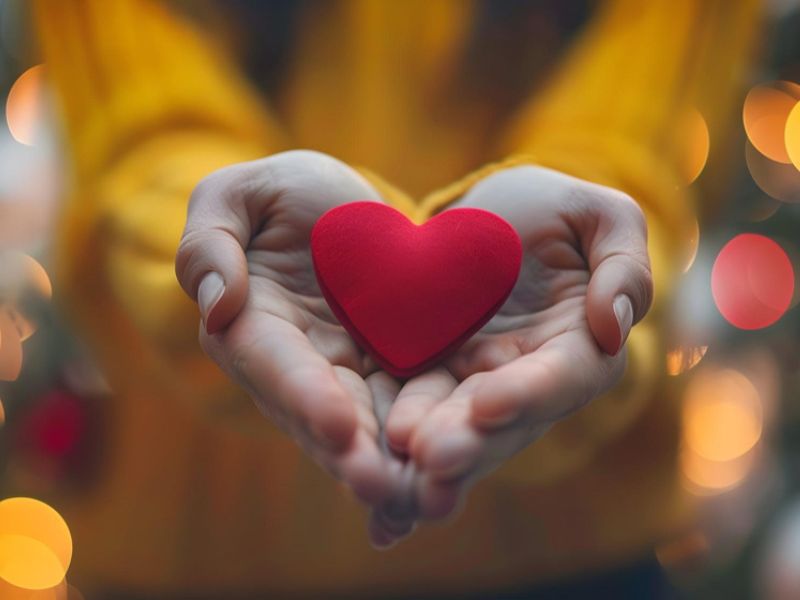
Kindness has health benefits too. Studies show that when we act kindly, it releases hormones that lift our mood and lower stress. It can improve heart health, reduce anxiety and even help with sleep. Beyond the science, it simply feels good to do something nice. It reminds us that we can have a positive impact, even on difficult days.
The digital world also gives us chances to show kindness in new ways. Online spaces can sometimes feel cold or harsh, but they can also be places of real support. Sharing encouraging words, celebrating someone’s achievement or standing up against negativity are all forms of digital kindness. The internet often moves fast, yet small moments of care can still stand out and make someone feel less alone.
World Kindness Day is not about one day of good deeds. It is a reminder of what we are capable of when we act with compassion. It asks us to look beyond ourselves and to treat others how we would hope to be treated. It is also about self-kindness. Taking time to rest, forgive ourselves for mistakes and speak gently to our inner voice. When we are kind to ourselves, it becomes easier to share kindness with others.
The simplest acts can have lasting meaning. Listening fully when someone talks. Offering to help without being asked. Writing a thank you note. Giving time to a local charity or community group. Each action sends a message that someone matters. That they are worth our attention and care.
Kindness builds the kind of world most people want to live in. It makes streets friendlier, workplaces healthier and homes warmer. On World Kindness Day, take a moment to notice the good that already exists and think about how you can add to it. Because when kindness grows, everyone feels the difference.