


By Michelle Carson
In recent years, figures like Elon Musk and Richard Branson have brought neurodivergence into mainstream conversations about leadership. Their journeys, however, have been largely shaped by entrepreneurship, allowing them to carve out their own paths without the constraints of traditional corporate structures. For neurodivergent women in leadership, the reality is far less forgiving.
The same traits that are often celebrated in men—intense focus, unconventional thinking, and direct communication—are frequently viewed as shortcomings in women, reinforcing rigid workplace norms that stifle progress and potential.
The gendered perception of neurodivergence
Neurodivergent traits should be recognised as leadership strengths regardless of gender. Yet, when a man is hyper-focused or speaks candidly, he is often considered ‘visionary’ or ‘bold.’ A woman exhibiting the same behaviours might be seen as distant or ‘cold.’ This double standard forces many neurodivergent women into masking, meaning they suppress their natural tendencies to fit professional expectations that were never designed with them in mind.
Women in leadership already face systemic biases around authority and competence. Add neurodivergence into the mix, and the challenges multiply. Traits that disrupt conventional workplace etiquette, such as getting straight to the point without engaging in small talk, not maintaining eye contact, or expressing ideas in a non-linear way, are often misinterpreted in women, while they might be excused or even admired in men. The result? A cycle of self-doubt, imposter syndrome and burnout that sidelines talented women before they can fully realise their potential, and deprives businesses of the innovation they desperately need.
Despite growing awareness of neurodivergence, the conversation remains largely male-dominated. Stories of successful neurodivergent women are much less visible, partly because many remain undiagnosed or feel compelled to conceal their differences to succeed. Unlike men, who are often encouraged to embrace their unique traits, women are typically expected to tone down their characteristics and fit a more conventional mould, making it even more challenging for them to challenge outdated leadership norms.
The cost of masking and navigating leadership
For neurodivergent women, masking is often an exhausting but necessary survival mechanism in the workplace. In fact, many women begin masking from early childhood, long before they enter the professional world. As young girls, they learn to mirror and match the behaviours of their peers to fit in, often unconsciously adopting social strategies that help them navigate school and friendships. This learned behaviour becomes deeply ingrained and carries through into adulthood, shaping how they present themselves in professional spaces. Many learn early on to suppress or camouflage their instincts and traits to fit social and professional expectations, carefully modulating tone, body language, and interactions to appear more ‘acceptable.’ While this can be effective in the short term, it comes at a significant personal cost. It requires significant mental and emotional effort to constantly mask every single day, it can lead to chronic stress and fatigue, burn out, even dissociation, anxiety and depression. It also stifles innovation by discouraging authenticity and fresh, unconventional ideas in leadership spaces.
Additionally, the societal expectations placed on employees, such as attending social events, networking, and the pressure to engage in after-work activities can conflict with neurodivergent women’s needs. Not attending events or staying away from home for conferences, especially when these activities are seen as essential for career progression, is likely to result in a career setback or halt. Yet, these expectations directly contradict the needs of many neurodivergent women, creating additional barriers to reaching leadership positions, particularly at the C-suite level.
The traditional leadership model tends to favour specific social and cognitive skills, such as charisma, small talk, and networking. Meanwhile, qualities like deep analytical thinking, hyper-focus, and creative problem-solving—often hallmarks of neurodivergent individuals—are undervalued. This disconnect between what organisations often claim to value (innovation) and what they actually reward (conformity) creates a glass ceiling for neurodivergent women that is both invisible and painfully real.
Creating a more inclusive future
Organisations must move beyond surface-level diversity efforts and address structural biases that disadvantage neurodivergent women. This involves rethinking leadership norms to value diverse communication styles and decision-making. Shifting away from outdated expectations of what a leader should look like is essential.
Additionally, fostering safe environments where neurodivergent women can be themselves without the pressure to mask is crucial. Open discussions, peer support networks, and tailored support can empower neurodivergent women to thrive and step confidently into leadership roles.
-
Neuro-inclusive recruitment
One step towards achieving this is implementing neuro-inclusive recruitment processes for both external hires and internal leadership development. Many organisations use multi-stage interview processes, including assessment centres, which can pose challenges for neurodivergent individuals, such as unfamiliar settings, no prior access to the venue or seating choices, and rigid social expectations. Simple adjustments, like providing venue access beforehand, offering seating options, or considering alternatives to assessment centres, are easy to implement and can have a significant impact on empowering candidates to perform at their best.
Traditional recruitment processes, if not tailored to neurodiversity, can unintentionally exclude talented candidates. Expectations like firm handshakes and sustained eye contact often carry unnecessary weight and are not true indicators of leadership ability. An autistic candidate, for example, may look away while speaking but remain fully engaged. Interviewers need to understand this to avoid misjudging competence. Sensory needs, such as bright lights, noise levels, or strong scents, should also be considered, as they can affect performance.
-
Education
Additionally, educating leadership teams is crucial in helping management to not only accommodate, but truly seek to understand and importantly accept neurodivergence and the needs of neurodiverse individuals. Training programmes that focus on recognising difference, whether this be difference in communication styles and leadership approaches are essential to break down and remove the misconceptions about neurodivergent professionals.
-
Visibility
Finally, and perhaps most importantly, we need visibility. Neurodivergent women leaders must be seen and heard if we are ever going to rewrite the narrative around what effective leadership looks like. Role models don’t just inspire; they create pathways for others to follow.
By making these changes, organisations can create workplaces that truly value diverse cognitive approaches and foster genuine inclusion. When neurodivergent women are empowered to lead in ways that align with their strengths, businesses and industries as a whole will benefit from richer perspectives, greater innovation, and more dynamic leadership teams. The future of leadership must not only acknowledge neurodivergence but actively embrace it as a source of strength.
About the author
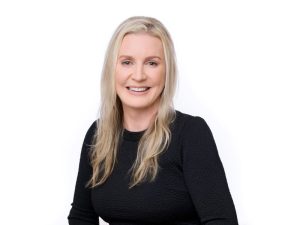 Michelle Carson is the Chairwoman and Founder of Holmes Noble, an executive search firm. With over three decades of experience in leadership and recruitment, she is a passionate advocate for neurodivergent inclusion in the workplace, drawing from her own experiences of living with autism and ADHD.