

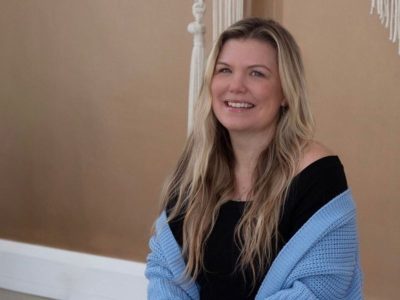
Kelly Saward is an emerging author, broadcaster, and creative entrepreneur best known for her book Desperate to Be Loved and as the founder of Room 478, a platform which centres on emotional healing and self-discovery. Her work explores themes of vulnerability, identity, and the human need for connection, drawing from personal insight and introspection.
Alongside her writing, she engages in broadcasting and interviewing, creating space for honest conversations and diverse voices to be heard. Through her work, she encourages others to confront inner wounds, embrace authenticity, and pursue deeper emotional awareness and personal transformation.
Tell us about yourself and your background. What first inspired you to step into broadcasting and wellbeing work?
The wellbeing work came long before broadcasting, but interestingly, they weave together so well in the work I now love and share. I struggled when I was young with unspoken mental health challenges in my wider family, and in turn, lost my way a little.
I am so lucky to have two wonderful daughters, but for the early years of my parenting well over a decade I was consumed with anxiety. Like many, I reached breaking point. Needing to take action, I discovered mindfulness and meditation for myself and slowly began to dedicate more time to the practice. Over time, my relationship with anxiety shifted, and I trained to become a practitioner myself, beginning my wellbeing work in this way. As my skills developed, this work evolved further.
My book was written during a peak period of struggle. Through interviews about my writing, I began my career in radio. It has been the most natural work I have ever done. I love holding wellness groups or individual sessions and creating a safe space to hear what people have to say.
I now have my own radio shows, including Good Morning and DriveTime, and cover traffic in London as well. My intention is to stay connected and communicate with as many people as I can, learning as I go, while actively encouraging others to be heard. I want to continue expanding this work as I move forward.
Your podcast Can You Hear Me? creates space for honest and meaningful conversations. What inspired you to start the podcast and what do you hope listeners take away from it?
As my work in radio developed, I realised how valuable this space was and how inspiring the stories being shared were. I was often asked where these conversations could be heard again, which led me to create something more permanent. Having been involved in podcasts before, it felt natural to launch The Can You Hear Me? Podcast, which also connects with my upcoming book. I hope listeners come away feeling truly heard and understood, and more deeply connected to the shared human experiences explored in each conversation reminded that they are not alone in what they feel or face.
Your book Desperate to be Loved explores anxiety, self-doubt and self-acceptance. What was the most powerful lesson you discovered while writing it?
To be honest, I learned so much while writing this book, including recognising my own relationship with anxiety and how deeply ingrained it had become. I’ve always loved writing and gained so much from it, but the most powerful lesson was learning to keep believing in myself. There were so many moments when I nearly put the pen down, with the words “not good enough” rising to the surface. But the most powerful lesson was learning to keep believing in myself, even in moments of doubt.
Authentic conversation sits at the heart of your work. Why do you think creating spaces where people feel heard is so important today?
It’s fundamental for us to be heard and, more importantly, to be truly listened to. When we feel able to share openly, we reveal more of who we really are, and in turn, others feel safe to do the same. That’s what builds genuine connection, support, and a sense of community.
We’re living in an increasingly disconnected world, and the more spaces we create to lift each other up and truly hear one another, the more we remind people that they’re not alone and that sense of connection can be incredibly powerful.
Many people struggle with self-belief at different stages of their lives. What advice would you give to someone who is currently navigating self-doubt?
My initial response, based on what I’ve come to understand through my work in radio and in working closely with people, would be to gently ask: what is the opposite of self-doubt for you?
When you think of that opposite, where do you feel it in your body? Sit with that feeling for a moment. I would then softly remind them that we all experience self-doubt at times it’s completely natural. But it’s also okay to be your own biggest supporter. Even if just for a moment, what does that feel like? Allow yourself to really sit with it and even smile as you begin to explore that feeling.
Through your broadcasting and wellbeing mentoring, you connect with many different stories. Has there been a conversation or moment that particularly stayed with you?
Yes, there are so many moments to be honest, but one common thread that always brings a physical sense of recognition is this: so many people have experienced a time early in life when they were told they couldn’t do something often at school or by someone close to them. That moment often becomes the root of the self-doubt they carry into adulthood. It’s also the driving force behind what brings the people I have the privilege of listening to or mentoring toward the purposeful alignment of the work they do today. I feel so grateful to witness these stories and see that transformation.
Personal growth is a theme that runs through your work. What practices help you stay connected to your own wellbeing and sense of purpose?
I love meditation (though I hated it at first!). Taking the time to pause and become aware of what’s present for me, feeling my feet rooted to the ground this grounds me, and from there I can return to what’s important: the why. We all have a why, and that’s what I aim to uncover when I speak with people and work alongside them. I also journal regularly. This helps me acknowledge whatever is present, good or bad and keeps me connected to myself. I enjoy yoga and dancing, and I especially love dancing; I speak a little about this in my new book as well.
Your career blends storytelling, media and wellbeing. How have these different areas influenced each other throughout your journey?
What a great question! It’s hard to summarise what I do, but storytelling, media, and wellbeing naturally fit together in my work. My lived experience and wellbeing practices strengthened my voice and led me into broadcasting. I love having conversations and creating safe spaces where people can truly share. This blend of work allows me to connect deeply, bring out the heartfelt voice in others, and support meaningful change so we can all feel more seen, confident, and connected.
Whether through writing, meditation groups, interviews, or one-to-one sessions, my knowledge of mindfulness, meditation, colour, yoga nidra, and more helps me connect beneath the surface professionally and personally with family, friends, or even strangers I meet in everyday life.
For those who would love to start sharing their own stories through writing, podcasting or broadcasting, what encouragement would you offer them?
I would say: find somewhere you feel safe, someone you enjoy talking to, and just keep having conversations. Follow your heart and do what feels right. If you want to start writing, begin today write anything at all. It doesn’t have to be shared at first; think of it as having a conversation with yourself, which can be incredibly beneficial. If self-doubt arises, that’s okay it’s natural but gently return to your heart and keep having those conversations.
Looking ahead, what conversations or wellbeing topics do you feel are most important for us to open up about right now?
I feel grief is one of the most important topics to open up about right now. We experience it in many forms not just the loss of life, but also endings like leaving school, moving house, changing relationships, or closing a career. Yet grief often goes unacknowledged, creating layers of stress, anxiety, and self-doubt. It’s crucial to share our truest selves where it feels safe and to recognise and express our own needs just as much as we support others.
We need to normalise mistakes, sadness, and vulnerability, while also welcoming joy and love, and knowing we absolutely deserve it.